Hidden Mold Remediation (Behind Walls) in Watts, CA
Hidden mold remediation in Watts starts with checking moisture and concealed surfaces. Ask what evidence supports opening your wall.
- Moisture readings before openings
- Contained drywall removal
- Cavity cleaning and drying
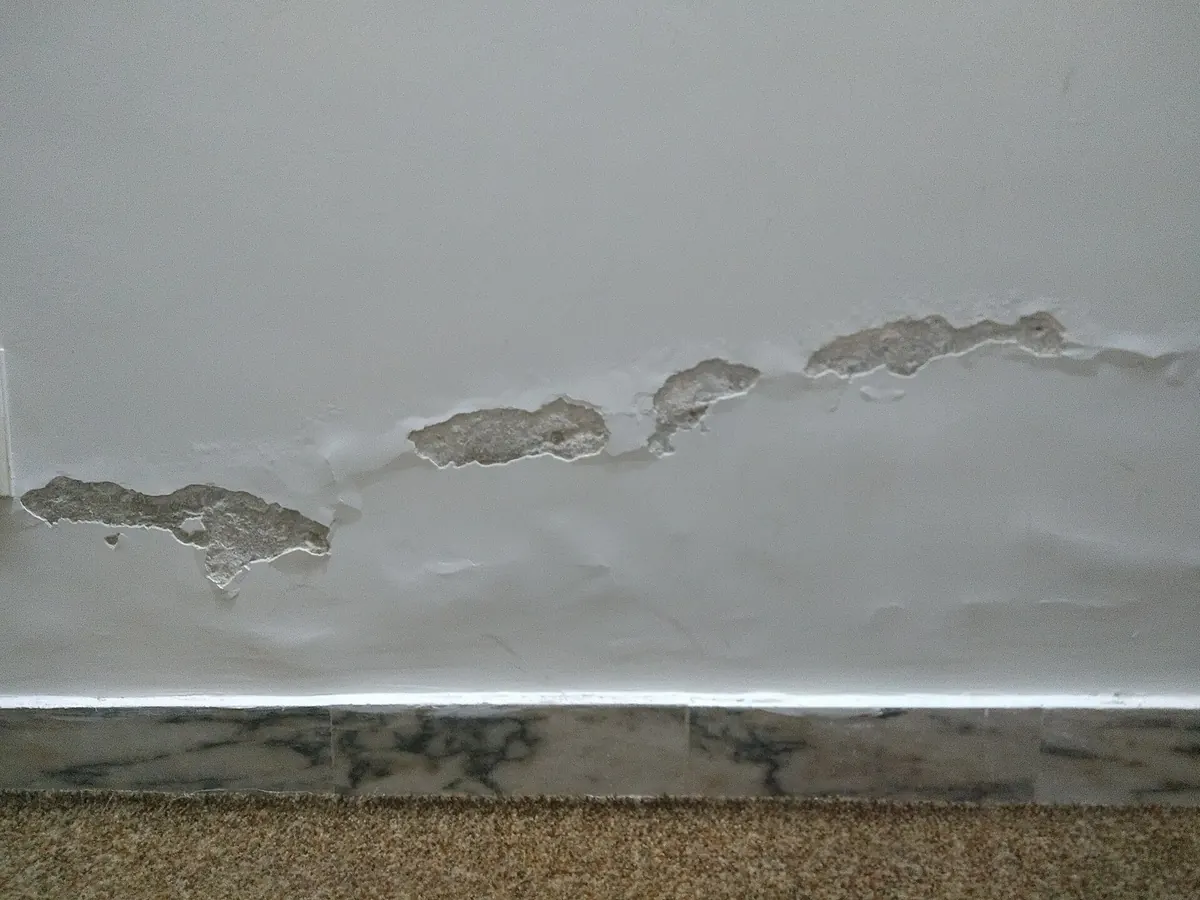
Wall Mold Remediation for Hidden Mold in Los Angeles County
Ask for a scope that makes clear whether cavity growth is confirmed or dampness is only suspected.
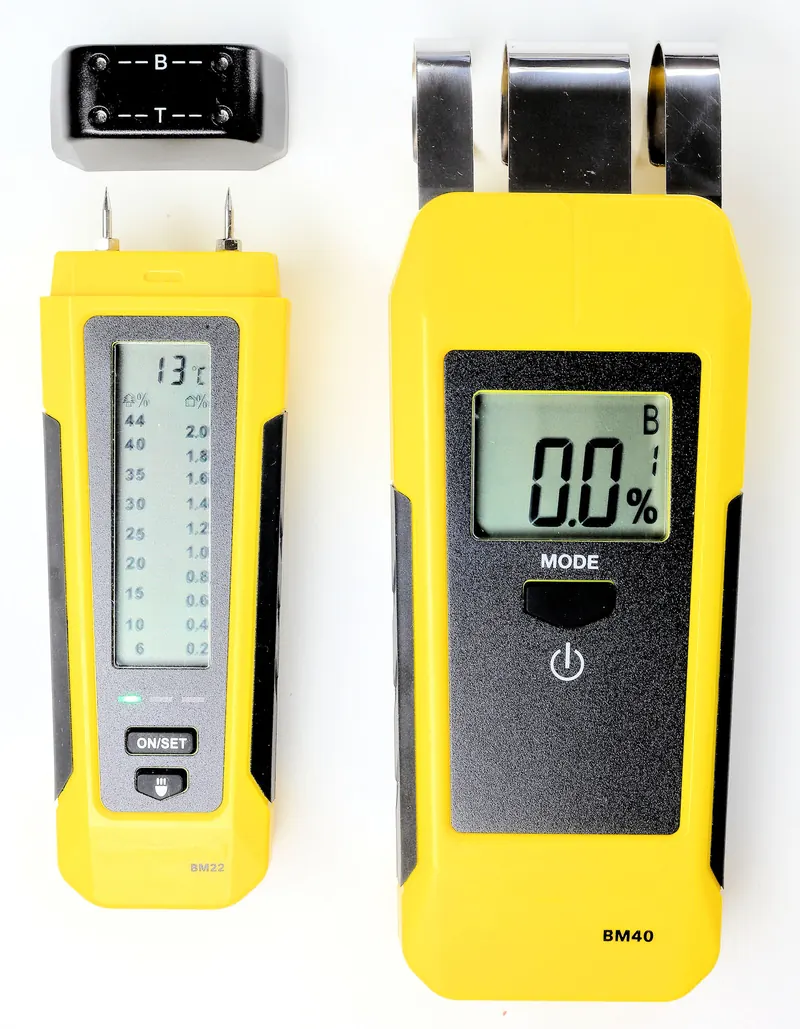
Your inspector can use thermal imaging to choose where to check, but the camera cannot detect mold itself. Dampness is checked with a moisture meter. A borescope, inspection holes or an inspection cut-out may expose hidden surfaces.
A plumbing leak may leave mold hidden on the far side of drywall. Inaccessible sections need an explanation in your inspection, not an assumption that neighboring walls need removal.
- Behind baseboards or wallpaper
- Behind cabinets and tub surrounds
- Under flooring and underlayment
- Inside cavities in walls or above ceilings

Selecting Hidden Mold Help in Watts, CA
Comparable Proposals
Compare cavity limits and rooms across every written scope of work you receive.
Changes After Access
Decide together how to approve revised charges and any additional findings.
Daily Communication
Name a contact for unexpected access requirements along with work updates and restrictions.
Completion Disagreements
Determine who settles disagreements and covers verification when repeated.
Hidden Mold Signs Around Los Angeles County
Where trouble repeats can guide the starting location for your inspection.
Hidden Mold Under Floors
Explain which flooring layers were wet during the original event.
Hidden Mold Near Windows
Track any changes in the affected area following rainfall.
Hidden Mold Behind Cabinets
During inspection, show sink connections and cabinet backs that cannot be reached.
Hidden Mold Near Plumbing
Point out adjoining bathrooms, pipe routes and previous fixture repairs.
Where to Start With Suspected Hidden Mold in Watts
Keep suspect surfaces intact as you arrange an assessment and address active water.
Call (844) 352-3560- Stop New Water. Shut off a leaking fixture when safe.
- Leave Surfaces Intact. Do not peel wallpaper or cut drywall to investigate mold yourself.
- Check Heating and Cooling. EPA warns that using equipment with suspected mold contamination could spread mold, so leave such equipment off.
- Keep Access Clear. Keep children and pets away from the affected area.
- Respond to Recent Water Damage. EPA advises you to prevent mold growth by drying areas and items damaged by water within 24 to 48 hours.
Watts, CA: Your Hidden Mold Remediation Cost
Published ranges are planning references, not your quote. Check whether access, removal and rebuilding are separate charges.
Mold behind a bathroom vanity or tub, up to
$500 to $8,000 per jobSource: Bob Vila, Mold Remediation Cost (cites Angi and HomeAdvisor) (checked 2026-10-23)Repairing or replacing drywall once removal is complete
$1,000 to $2,900 per jobSource: Servpro, Mold Remediation Cost (checked 2026-10-23)Factors That Change Your Cost in Watts
- Replacement of affected materials
- How deep and extensive concealed growth is
- Fixture removal for access
- Moisture source repair
- Containment and waste route
Published Guides to Hidden Mold Cost
The figures are published national cost guide ranges, not results of a property visit. Your property price is set after an on-site assessment and should be explained before work starts.
Ask about cost: (844) 352-3560Hidden Mold Insurance Questions in California
Your policy and the cause of water damage determine insurance coverage. Ask your insurer how the event is classified.
Policy Limits
Find out your mold sublimit, exclusions and deductible.
Rental Responsibilities
Under California's housing law, visible mold found by a health officer or code enforcement officer can make a rental substandard. Renters can contact their local health or code enforcement department to ask for an inspection.
Claim Scope
Clarify whether removal, rebuilding and investigation each belong to a separate claim item.
Disclosure Questions
California's Toxic Mold Protection Act includes a landlord written-disclosure section (Health and Safety Code 26147). By its own wording it applies only after the state adopts mold exposure standards, and the state health department has said it could not set them.
Greater Los Angeles: The Mold Removal Process for Hidden Mold
Make sure your remediation instructions specify work stages and completion checks ahead of starting.
Hidden Mold Inspection and Scope
Moisture mapping defines proposed openings and the moisture source to repair.
Containment and HEPA Filtration
Build the containment barrier with poly sheeting. An air filtration device can maintain negative air pressure.
Controlled Wall Access
For demolition of damaged materials, the cleanup crew creates openings determined by assessment.
Mold Removal From Drywall
Affected porous materials leave containment in closed bags, with a HEPA air scrubber where specified.
Cavity Surface Cleaning
A HEPA vacuum plus damp wiping may be among the methods selected after assessment. Cleaning remains necessary with antimicrobial treatment.
Drying and Moisture Control
Support drying with a dehumidifier, drying equipment and air movers; track progress through moisture readings.
Final Cleaning and Verification
Leave containment standing until post-remediation verification is complete. Use an independent assessor for any clearance testing.
Surface Mold or Concerns Within a Cavity?
Visible signs inform your assessment rather than define demolition boundaries.
| Observation | What to check | Likely next step |
|---|---|---|
| An intact finish with spots on its surface | Condensation and nearby moisture readings | If the backing remains dry and sound, assess whether surface cleaning is suitable. |
| Recurring stains or soft drywall | Leak path and condition behind the finish | Talk through inspecting the cavity using controlled access. |
| No visible mold growth despite a musty odor | Water history and inaccessible materials | Inspect the target area before suggesting removal. |
CDC cautions that mold's color does not indicate risk. Finding black mold on walls does not define the removal scope.
Collecting Your Records and Observations
Prepare your history without disturbing suspect surfaces.
- Take photos of swelling and stains, labeled by room and date.
- Record any pattern of odor following fixture use or rainfall.
- Record past drying work and leaks, along with finishes previously replaced.
- Bring together repair bills, past inspection reports and correspondence about claims.

Discuss Hidden Mold Remediation (Behind Walls) in Watts
Call any hour. Your call reaches a hidden mold remediation (behind walls) specialist who hears your concerns and explains the process ahead.
Hidden Mold in California: The Risks of Opening Up
Assess damage hidden from view before any disturbance. You cannot judge the whole scope by a visible patch.
Dust From Hidden Mold
Mold spores may enter neighboring rooms when you open cavities.
Contaminated Water
Sewage or contaminated water calls for a professional experienced with that damage.
Occupant Sensitivity
Around mold, CDC cautions that risk is higher for people with weak immune systems, lung disease or asthma.
Can you clean it yourself? For accessible areas under about 10 square feet, EPA says homeowners can often do the cleaning. Have a professional assess larger areas and any HVAC involvement, since the visible-area threshold cannot judge hidden growth.
Los Angeles County: Mold Removal From Walls
Sound wooden framing may be retained after cleaning and drying, despite being porous. Your material decisions depend on its condition and ability to be cleaned.

May Be Cleaned and Kept
- Sound wood framing after assessment
- Cleanable metal and other non-porous surfaces
May Need Removal
- Mold-damaged drywall and insulation
- Cabinet backs, carpet or subfloor unsuitable for cleaning
Rebuilding After Cleanup
- Replacement insulation and drywall
- Trim, flooring, primer and paint
Timing Your Hidden Mold Cleanup Across Greater Los Angeles
How long your work takes hinges on access arrangements, drying and repair transitions. Request timing based on checks for completed work.
- Access approval: You may need distinct arrangements for cabinet removal, occupied spaces or shared walls.
- Drying progress: Your cavity's closure timing is affected by moisture measurements and how thick the materials are.
- Repair handoff: Coordinate leak repair, verification and replacement finishes before scheduling room reuse.
Hidden Mold in Watts: Indoor Air Quality
Masking an odor gives you no evidence of a clean cavity. Mustiness calls for investigation, without establishing how extensive hidden mold is or pinpointing where it is growing.
Keep your indoor relative humidity under 60 percent, as EPA recommends, with 30 to 50 percent the ideal range. Address leaks too: a drop in room humidity alone does not fix a wet wall.
Scope and Repair Planning
Use the full hidden mold remediation (behind walls) guide to prepare questions about the assessment, scope and next steps for your property.
Read the hidden mold remediation (behind walls) guidePlanning Hidden Mold Remediation (Behind Walls) in Watts
Local housing figures describe the area, not the condition of your property. Use assessment findings to organize access, records and repairs for moisture problems.
Census ACS 2024 5-year (tables B01003, B25003, B25035, B09021 and B25024). Area estimates do not establish conditions at an individual property.
The practical local focus for Watts is the individual structure, since mold returns when the underlying plumbing, roofing, drainage, or ventilation problem remains.
Your property needs a moisture-specific plan that follows the leak into nearby walls, floors, ceilings, insulation, or framing before removal limits are set.
Local Hidden Mold Remediation (Behind Walls) Information for Watts
You can ask about mold cleanup in nearby communities and ZIP codes during the call.
ZIP codes
Frequently Asked Questions About Hidden Mold Remediation (Behind Walls) in Watts
Which insurer questions should you address before demolition starts?
Ask whether the insurer needs an inspection or specific photographs before materials are removed, and how urgent damage-control work should be documented. Ask how to report damage first discovered after gaining access. Use retained dated correspondence and your claim reference to tell which work has approval and which items await decisions.
What records do you need to hold onto after cavity closure?
Keep photographs of exposed cavities, the final scope and any changes, moisture readings, repair invoices and verification findings. Ask that records identify the rooms and areas inspected, including inaccessible sections. A later repair contractor, buyer or manager should be able to identify the work done without breaking back into finished surfaces.
Does the removal work include repainting and closing your walls?
Do not assume it does. Ask which work is included or excluded for removing fixtures, closing walls, matching finishes and disposing of debris. Before rebuilding, clarify who accepts the cavity and who hires the repair trades. Do not arrange painters while other tasks remain unfinished.
If one cavity has growth, do all walls need removing?
No. Ask for the boundary and evidence for extending it. If more damage appears after opening, get an explanation ahead of approving an expanded scope. Agree how to resolve inspection limits, since inaccessible surfaces may leave questions unanswered.
Before a wall is opened, do you need mold testing?
Ask what decision a sample would change. A universal pass cannot be interpreted against a federal indoor mold limit from EPA, since none exists; air sampling cannot locate mold within a particular cavity. Inspection findings should guide access; sampling may answer a defined question but does not remove growth.
What should a tenant in California do about suspected hidden mold?
Notify your landlord or property manager in writing with the location and observations. Request a plan for access and an inspection; keep appointment details and replies dated afterward. Avoid giving demolition permission yourself for a rented wall. If the response stalls, use the local housing agency information to ask about your next steps.
Questions About Hidden Mold Remediation (Behind Walls) in Los Angeles County?
For calm and useful guidance about hidden mold remediation (behind walls), you can reach someone by phone 24 hours a day.