Water Damage Mold Cleanup in Watts, CA
Water damage mold cleanup in Watts starts with the affected materials and water source. Ask which cleanup tasks and repairs your scope includes.
- Moisture checked
- Containment and HEPA
- Removal and drying
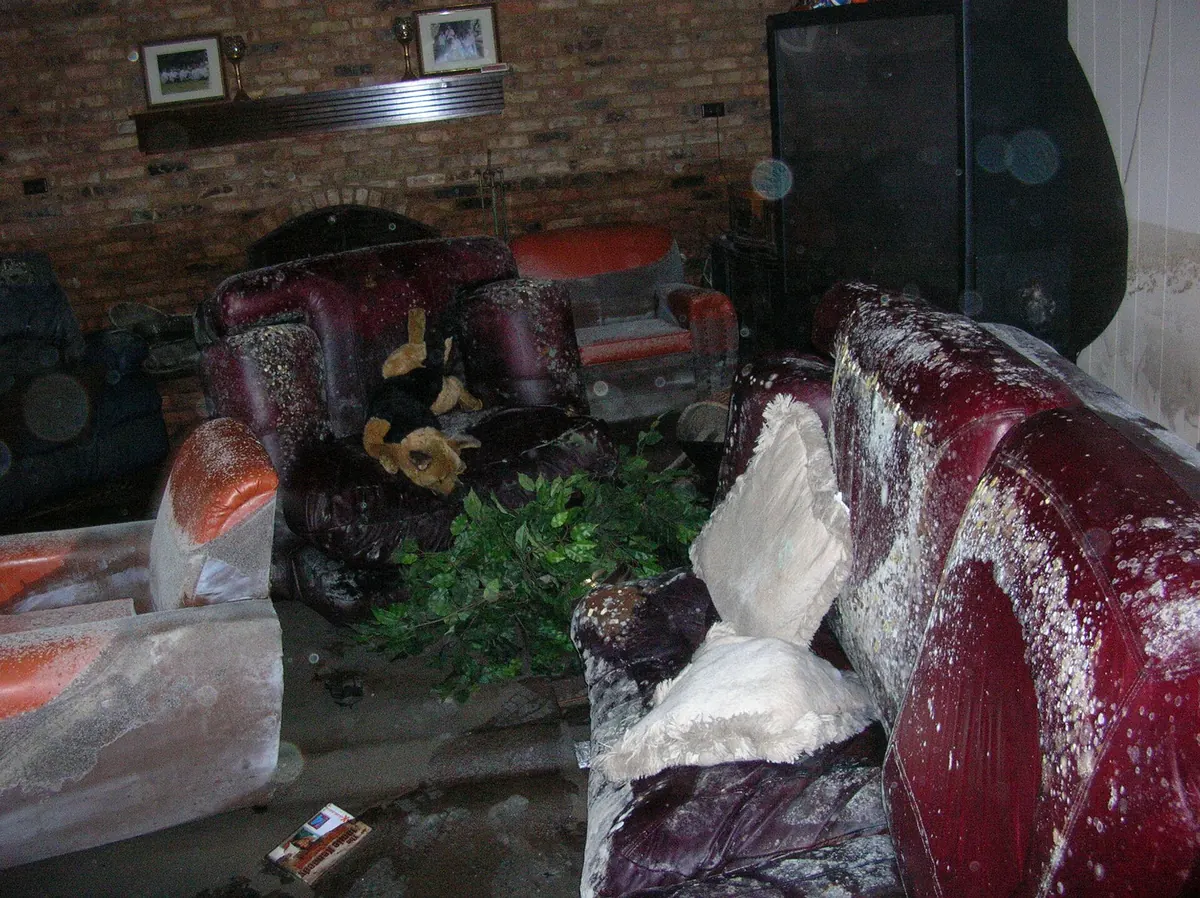
Understanding Cleanup for Mold After Water Damage in Los Angeles County
Assess mold growth together with lingering moisture after your water damage. Removing the water by itself leaves mold cleanup unfinished.
Separate rebuilding and mold removal from water damage restoration in your written scope. Settle who will do each part before any surface is opened.
Explain when you found the water and identify its origin. If the source is unknown, have it assessed before deciding how cleanup should proceed.
- Burst pipe or appliance leak
- Wet drywall or wet carpet
- Wet insulation behind walls
- Growth near a roof leak
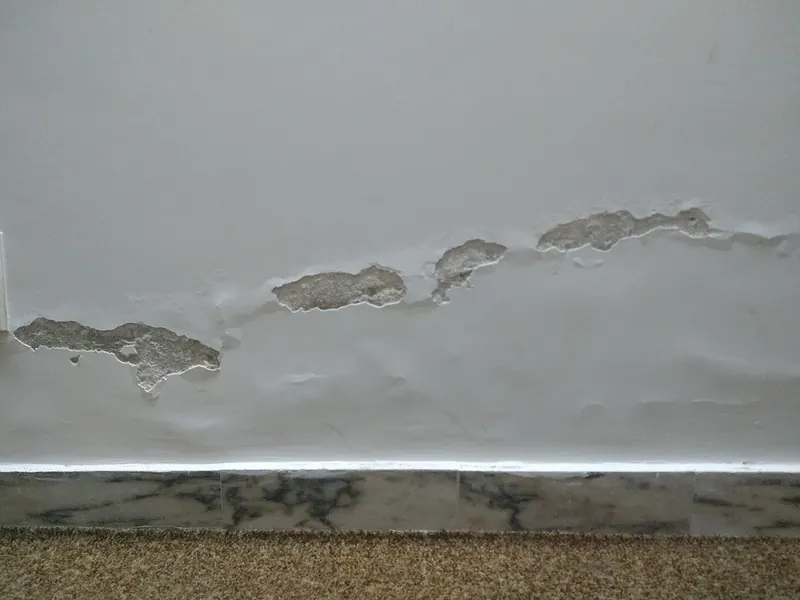
Watts: Selecting Help After Water Damage
Changes to the Work
Agree how extra work will be documented and approved.
One Project Contact
When multiple trades take part, clarify who answers your questions.
Relevant Project Experience
Ask about comparable water losses and check references.
Equipment Charges
Check how equipment usage gets documented and charged.
Water Damage and Mold in Watts, CA: When to Act
Take action if you notice growth, persistent wetness or water entering concealed spaces.
Dark Patches After a Leak
You cannot determine which mold species is present or its risk by color, CDC says.
Mold Inspection After Water Damage
You can use a thermal imaging camera to guide checks. Use moisture readings to assess dampness, not to identify mold with either reading.
Water Stains Without Visible Growth
Staining alone cannot tell you whether mold is present. Make an assessment your first step before approving drywall removal.
Water Damage Across Several Rooms
Help the inspection follow where water traveled by marking damaged rooms, including rooms one floor beneath the leak.
What to Do First After Water Damage in Los Angeles County
As you arrange an assessment, minimize contact with damaged areas.
Call (844) 352-3560- Stop incoming water. Operate a reachable shutoff only when safe. Arrange leak repair.
- Avoid unsafe access. Keep clear of sagging ceilings and of standing water beside electrical equipment.
- Leave growth undisturbed. Leave moldy materials alone; avoid scraping, sanding or pulling them yourself.
- Keep suspect HVAC off. You could spread mold by running a system suspected of mold contamination, according to EPA.
- Keep people away. Do not let children or pets enter the affected area.
Understanding Water Damage Mold Cleanup Cost in Watts, CA
Your estimate should not be a sum of these ranges. Fixr describes scopes with work in common.
Combined water and mold damage
$2,700 to $10,000 per jobSource: Fixr, Mold Remediation Cost (checked 2026-10-23)Water damage restoration, average $3,000
$1,200 to $5,000 per jobSource: Fixr, Water Damage Restoration Cost (checked 2026-10-23)Project total covering mold remediation as part of water damage work
$1,500 to $4,000 per jobSource: Fixr, Water Damage Restoration Cost (checked 2026-10-23)Mold cleanup line item
$4.75 to $5.5 per square footSource: Fixr, Water Damage Restoration Cost (checked 2026-10-23)What Changes the Cost of Your Cleanup
- Affected area size
- Hidden growth access
- Water contamination
- Material replacement
- Time materials stayed wet
- Drying equipment
Water Damage Cost Guides, Not a Property Quote
Published national cost guides are the source of these ranges, rather than an inspection of your property. Before work begins, you should get an explanation of the property price determined through an on-site assessment.
Ask about cost: (844) 352-3560Water Damage and Mold Insurance in California
Check with your insurer about coverage for the particular cause of damage. Do not presume the loss will be paid.
Property Disclosure
California's Toxic Mold Protection Act includes a landlord written-disclosure section (Health and Safety Code 26147). By its own wording it applies only after the state adopts mold exposure standards, and the state health department has said it could not set them.
Cause of Water Damage
Check whether your policy distinguishes a sudden and accidental incident from a leak that continues.
Mold Coverage Limits
Discuss your homeowners insurance claim limits, including separate limits, along with exclusions and deductibles.
Rental Responsibilities
Under California's housing law, visible mold found by a health officer or code enforcement officer can make a rental substandard. Renters can contact their local health or code enforcement department to ask for an inspection.
Water Damage and Mold Remediation in Watts
Your mold removal process should keep containment in place through cleaning, drying and verification.
Inspection and Moisture Mapping
Your assessment documents the moisture source, visible mold growth and affected materials.
Water Extraction and Source Control
Removal of standing water waits until safe. Start by fixing water intrusion to prevent mold from returning.
Containment Before Removal
The assessed plan may specify poly sheeting, a containment barrier, negative air pressure and a HEPA air scrubber.
Material Removal and Cleaning
Material beyond saving gets removed. Surfaces you keep get suitable cleaning, sometimes with a HEPA vacuum.
Structural Drying and Dehumidification
For the drying process, air movers work alongside dehumidifiers. Agreed drying goals guide progress checks using a moisture meter.
Post-Remediation Verification
Before removing containment, verify that cleaning and drying are complete. If you arrange clearance testing, use an assessor who is independent.
What Records to Save After a Water Loss
Use one file with dates to explain what was damaged and what work is complete.
- Photos showing the water line, source and damaged rooms, obtained without entry into unsafe spaces.
- List discovery, shutoff and repair visits in time order, indicating any dates you cannot confirm.
- The disposal list, invoices, changes and approved work scope.
- Drying records, any independent clearance report and moisture readings labeled by location.

Discuss Water Damage Mold Cleanup in Watts
Call at any time. Talk with a water damage mold cleanup specialist about what you are seeing and the steps ahead.
Understanding Water Damage Mold Risks in Greater Los Angeles
People's needs and how contaminated the water is shape your cleanup precautions.
Mold Spores and Dust
You can spread particles outside the visible patch by disturbing growth.
Water Contamination
Ask whether protective equipment and debris disposal depend on where the water came from and its condition.
Water Beneath Dry Surfaces
Paint can feel dry while the underlying material still holds moisture.
Can you clean it yourself? EPA notes that homeowner cleanup is often possible for areas measuring under about 10 square feet. Larger areas, extensive water damage, HVAC involvement, sewage or contaminated water call for professional help.
Water-Damaged Materials in Los Angeles County: Clean or Remove?
To decide what you can retain, consider contamination alongside material condition. Porosity by itself is not the deciding factor.

Non-Porous Surfaces
- Metal and glass, along with tile, may be cleanable
- Assess joints and backing separately
Porous Materials
- Wood framing in sound condition remains porous but may be suitable for cleaning and drying
- Moldy drywall, ceiling tiles and carpet may need disposal
- Determine replacement needs for wet insulation as well as damaged composite flooring
Belongings and Finishes
- Check fabric separately from upholstered contents
- Identify salvageable items before disposal
- Agree if the work covers moving furniture
What Affects Cleanup Time After Water Damage in Los Angeles County?
Access, progress with drying and handoffs for repairs affect your schedule.
- Accessible room: Drying completion depends on repeated measurements along with the thickness of materials.
- Wall cavity or subfloor: Your scope may change if opening concealed areas exposes further damage.
- Several rooms or contaminated water: Removal volume, equipment access and repair scheduling affect the sequence.
After Water Damage: Your Guide to Humidity Control
Ask about smells that linger once your cleanup is done. Mustiness may warrant another assessment, but odor by itself cannot establish that the work is complete.
EPA advises indoor relative humidity below 60 percent, ideally 30 to 50 percent. A dehumidifier supports moisture control; it does not remove mold.

Scope and Repair Planning
Use the full water damage mold cleanup guide to prepare questions about the assessment, scope and next steps for your property.
Read the water damage mold cleanup guidePlanning Water Damage Mold Cleanup in Watts
Local housing figures describe the area, not the condition of your property. Use assessment findings to organize access, records and repairs for moisture problems.
Census ACS 2024 5-year (tables B01003, B25003, B25035, B09021 and B25024). Area estimates do not establish conditions at an individual property.
The practical local focus for Watts is the individual structure, since mold returns when the underlying plumbing, roofing, drainage, or ventilation problem remains.
Your property needs a moisture-specific plan that follows the leak into nearby walls, floors, ceilings, insulation, or framing before removal limits are set.
Local Water Damage Mold Cleanup Information for Watts
Ask on the phone about mold cleanup for nearby ZIP codes and communities.
ZIP codes
What People Ask About Water Damage Mold Cleanup in Watts
When a wall gets wet in Watts, is mold removal always needed?
No. Assess wet material, but do not take a water stain alone as proof of growth. Find out where mold is confirmed and where drying or additional inspection is needed. If concealed damage is suspected, ask what evidence supports opening the wall and how the opening limits will be chosen.
What do you need to clarify with your insurance adjuster before work approval?
Find out which expenses must be approved and what urgent damage-limiting actions can begin while your claim is being assessed. Find out the required claim documentation before disposing of belongings with damage. Ask how equipment charges and scope changes should be submitted. Separate the insurance claim decision from your commitment to contractor payment.
How should a tenant act when water leaks from a different unit?
Give the property manager written notice with a date, your observations and the location. Request confirmation of who will arrange access to the source unit and your affected rooms. Keep messages and access appointments together. Ask for an update on the source repair, rather than assuming work inside your unit resolves it.
After water damage, does the cleanup agreement cover rebuilding?
That should not be assumed. Ask whether the agreement includes replacing drywall, insulation, flooring, cabinets and paint, or only removing damaged material and drying what remains. Establish who organizes the repair trade and which completion evidence is required by that trade before closing walls or fitting new finishes.
Can you stay home during cleanup in Los Angeles County?
Ask whether you can reach bedrooms, bathrooms and exits without crossing the work zone. Talk about noise from equipment, shared ventilation and the timing of access restrictions. Before the job begins, share occupant concerns with the assessor. These questions help shape an occupancy plan for your property, but a barrier by itself cannot promise safety.
Must you have testing done to remove mold after water damage?
EPA notes that you often do not need samples of visible growth. Ask what decision air sampling would change before paying for it. Each sample reflects where and when collection took place. There is no federal indoor mold limit, so a result cannot by itself establish that your whole home is safe.
Questions About Water Damage Mold Cleanup in Los Angeles County?
Calls about water damage mold cleanup are answered 24 hours a day, so you can receive clear and practical guidance.